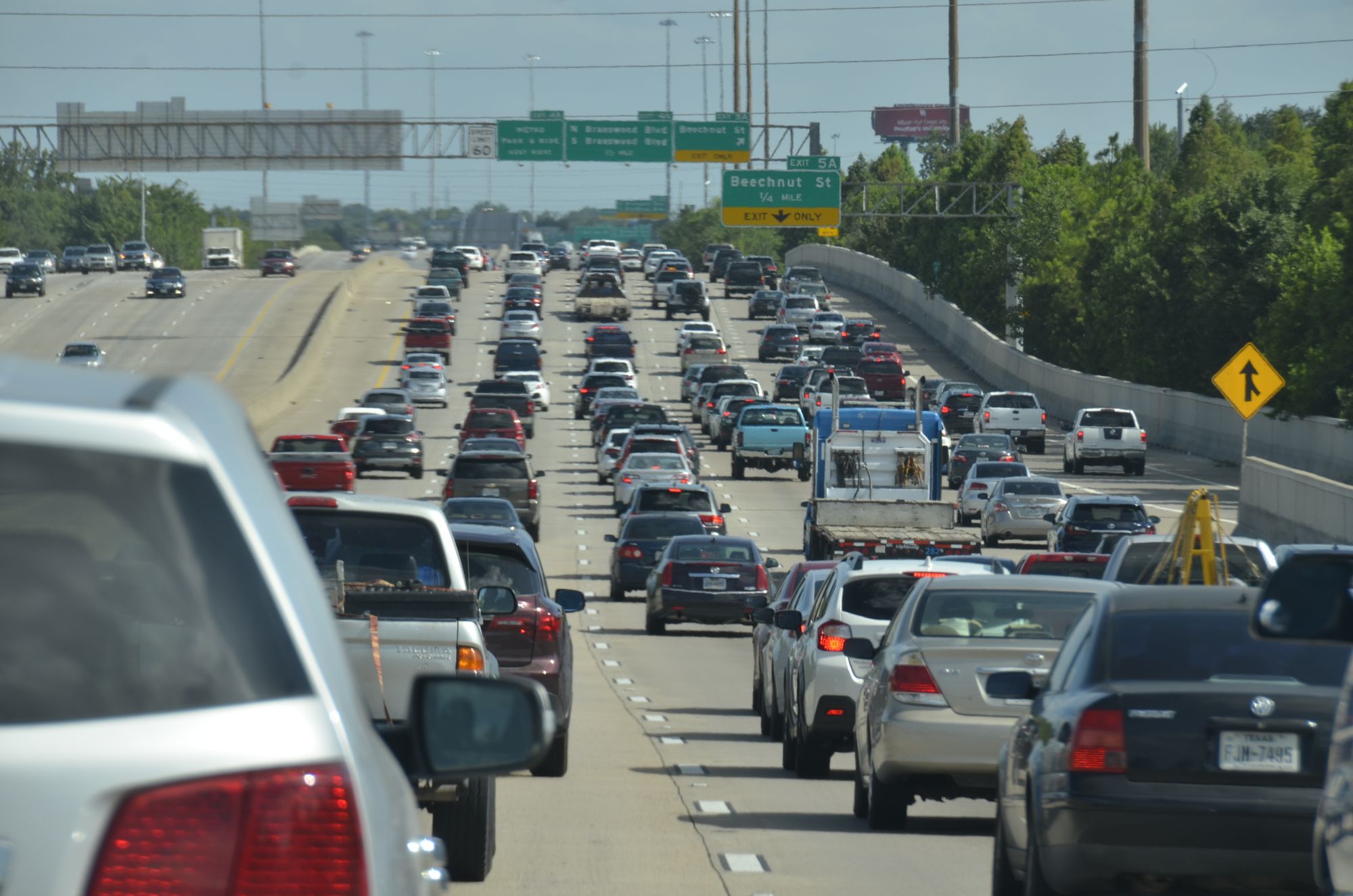
When a slim yellow arrow was first nailed to a barricade near the old market in the spring of 2022, no one expected a relationship to form. The diversion it announced was to last “two weeks, weather permitting.” This month it celebrates its fourth anniversary, beloved, established, and entirely permanent.
“We stopped calling it the diversion years ago,” said a tea-stall owner whose business relocated to follow the new traffic. “It is simply the road now. The other road — the original — I could not tell you where it went. It is a rumour we tell our children.”
From detour to destiny
Urban geographers at the institution regard the diversion as a model of organic city-making. Unplanned, unannounced, and unloved at birth, it has nonetheless generated its own shops, its own shortcuts, and its own folklore. A generation of residents has now learned to drive on it as though it were eternal.
“The temporary, given enough patience, becomes the truest part of a city.”— Institute of Urban Geography
The original road, meanwhile, remains closed for works that no one can now precisely describe. The Department has confirmed it has “no current plans” to reopen it, citing the risk of confusing residents who have built their lives around the arrow.
A small ceremony is planned. The barricade, weathered and structurally beloved, will be cleaned but not removed.
Filed under Mobility · Office of Civic Memory